Why healthy Foot Function, Strength and Mobility Matters
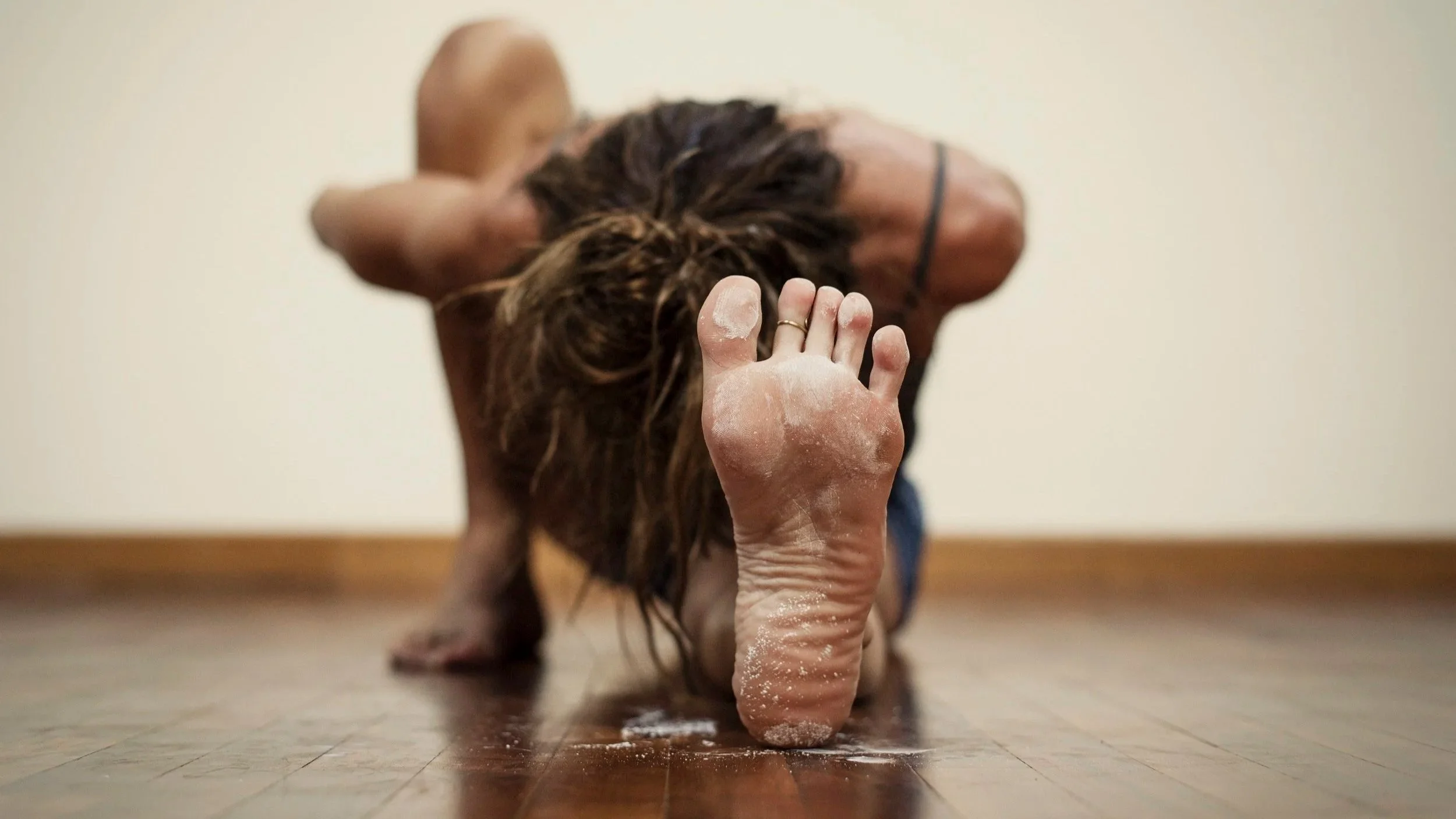
Healthy Feet Support Better Movement
Feet rarely ask for attention.
And yet they influence almost every movement we make.
Quietly adapting beneath us, they help us balance, stabilise, absorb force and move forward through the world.
They are our foundation.
Our roots.
Our base of support.
As bipedal beings, we rely on our feet for nearly everything we do: walking, standing, running, climbing, lifting and changing direction through space.
The more fully and naturally the feet function, the more efficiently the whole body moves.
Feet Are the Body’s Unsung Heroes
You can’t build strong movement on weak foundations.
When we begin to understand the role of the feet, it becomes clear just how profoundly they influence the way we move through life. Far more than passive structures at the end of the legs, the feet are deeply sensory, intelligent and responsive.
The feet are an intricate network of bones, joints, muscles, fascia and nerve endings that are constantly gathering information from the ground beneath us. This sensory feedback allows the nervous system to make continual adjustments in posture, balance and muscular activity - often before we are even aware an adjustment is needed.
Our earliest developmental reflexes reveal how deeply connected the feet are to the nervous system. One of the first neurological tests routinely carried out on newborn babies is the Babinski reflex: when the sole of the foot is gently stimulated, the toes spread and extend. This simple response helps indicate that important neurological pathways are emerging and functioning well.
Long before we fully understand movement, our feet are already participating in whole-body coordination - linking sensation, balance and movement throughout the developing system.
How Mobility Creates Stability
The feet have two primary functions: mobility and stability.
At first glance these may seem like opposites, yet healthy feet navigate both seamlessly. The feet need mobility to adapt to uneven ground, soften impact and distribute force efficiently. From this adaptability, stability naturally emerges.
Healthy feet are naturally pliable not rigid structures. With 26 bones in each foot, they are designed to be dynamic, supple and responsive - continually adjusting to the changing demands of movement.
Imagine if our feet were made of just one or two solid bones. Try walking this way and it soon becomes apparent how inefficient this is! Now try walking and feeling the many bones of your feet: from the heel through the mid foot to the toes, and how these many small bones and joints allow the feet to move, adjust and rebalance with remarkable precision.
The three arches of the foot function a little like living trampolines: absorbing impact and pressure as we land, then recoiling to help propel us forward. This natural spring-like action helps distribute force more evenly throughout the body, reducing unnecessary strain and supporting fluid movement.
Supporting this responsiveness are the foot’s intrinsic muscles - the smaller stabilising muscles that help maintain the arches, regulate balance and adapt to changing terrain. Together, they form part of the body’s deep core system: not only providing local stability within the feet themselves, but also supporting posture, efficient movement and the transfer of force throughout the whole body.
The feet are not separate from the body’s stabilising system.
They are an essential part of it.
Modern footwear interferes with the foot’s natural adaptability and strength. Narrow toe boxes, thick soles and excessive support reduce sensory feedback, restrict toe movement and lessen the workload of the foot’s intrinsic muscles. Encased in shoes and disconnected from the ground surfaces, the feet over time lose much of their natural elasticity, adaptability and power.
This changes how force is absorbed and transmitted upward through the ankles, knees, pelvis and spine. Toe alignment becomes especially important here. Narrowed toes reduce the surface area to balance on and contribute to less responsive (and frequently flatter) arches, influencing gait, steadiness, and the ease with which movement travels through the legs and pelvis.
The big toe plays a vital role in whole-body coordination. During walking, extension through the big toe helps initiate hip extension, supporting the activation of the gluteal muscles during the push-off phase.
The Surprising Link Between Toes, Hips and Core
The relationship between the feet and the rest of the body is surprisingly direct. Every step begins with the feet, and each push through the toes helps organise and transmit movement throughout the body. The toes communicate with muscles further up the kinetic chain, including the quadriceps, preparing the legs to absorb and respond to force with each step. There is also a profound relationship between foot function, glute activation and core support - a dynamic “toe-to-glute-to-core” connection that underpins balance, stability and efficient movement.
Tiny movements below influence larger movements above.
In yoga, this relationship is reflected in the concept of the bandhas - subtle inner activations that support both movement and breath, creating an integrated sense of connection throughout the body. When the arches of the feet are responsive and alive, that support can be felt resonating upward through the legs, pelvic floor, respiratory diaphragm and deep stabilising muscles of the trunk and throat. In yogic terms, this begins with Padabandha - the energetic lifting and awakening of the feet - and echoes upward through the body in waves of coordination and response.
Mūlabandha - Root support at the pelvic floor
Uḍḍīyānabandha - Upward lift through the abdomen
Jālandharabandha - Throat support and integration
Our sense of stability is continually shaped through our relationship with the ground beneath us. As we age, foot strength becomes increasingly important for both resilience and injury prevention. Research continues to show strong links between toe strength, balance, walking efficiency and reduced fall risk later in life, while also supporting coordination, performance and adaptability in younger bodies.
The feet may be small.
Their influence is not.
Why Barefoot Movement Helps the whole body Function Better
The feet are designed to feel.
Each foot contains over 200,000 nerve endings in the sole alone. Texture, pressure, slope and surface variation all provide valuable sensory information that helps refine balance, coordination and movement. Barefoot movement increases this sensory input, encouraging the intrinsic muscles of the feet to become more responsive and engaged. Over time, some of the feet’s natural sensory richness begins to return.
When the feet can fully sense and respond to the ground, the effects ripple throughout the entire body. The nervous system receives clearer information about balance, pressure, weight transfer and orientation in space, helping the body organise movement more efficiently. The arches, ankles and lower legs become more active and adaptable, which improves stability, coordination and the body’s natural shock absorption.
Because the feet are the foundation of movement, stronger and more responsive feet influence what happens further up the chain - supporting healthier alignment in the knees and hips, encouraging better glute activation, and helping the spine and core respond with greater ease and fluidity. Barefoot movement also invites a more natural walking pattern, allowing the body to move with less rigidity and more spring, adaptability and connection to the ground beneath us.
This is one reason barefoot walking, especially in nature, along with yoga and mindful movement practices, can feel so enlivening. These experiences invite the feet to reconnect with the ground, encounter varied textures and meet the environment
Shoes are not inherently harmful; they protect the feet from harsh terrain and extreme temperatures. Yet much modern footwear is highly restrictive, limiting the foot’s natural ability to spread, articulate and respond dynamically. And it is precisely this capacity for responsiveness that influences movement quality throughout the entire body.
Simple Ways to Build Stronger, Healthier Feet
Luckily, supporting foot health does not need to be complicated. Small, consistent practices can create surprisingly wide-reaching effects.
Here are six simple ways to support healthier, more resilient feet:
Spend more time barefoot on varied surfaces, especially in nature
Wiggle, curl, stretch and spread your toes daily
Use toe separators to encourage natural toe alignment
Roll and massage the soles of your feet with a tennis ball
Do heel lifts keeping the toes spread to help strengthen the arches
Choose footwear with a wider toe box and greater flexibility
Small changes at the foundation will transform movement throughout the whole body.

Closing Reflection
The feet quietly shape how we meet the world. They absorb impact, sense terrain, adapt to change and help carry us forward through life. Healthy feet are not rigid structures; they are responsive, adaptable and alive - continually balancing stability with movement, yielding with propulsion.
When the feet function well, the whole body tends to move with greater balance, efficiency and resilience. Working with the feet can feel surprisingly profound and empowering, because in strengthening and mobilising our foundation, we are also nurturing support for every step we take in life.
If you’re new to this approach, begin here: Somatic Yoga Begins From Within
About the Author
Jean teaches yoga and somatic movement with a focus on awareness, breath and flow. Her work explores how embodied practice supports mobility, resilience and nervous system health.